Christmas Background Collection Design Review
As a designer who spends more time at the hoop than away from it, I approach every new machine embroidery design with a critical eye. It is not enough for a file to look pretty on a screen; it must survive the tension of the fabric, the pull of the thread, and the scrutiny of a paying customer. Today, I am evaluating the Christmas Background Collection Design, a set of illustrations intended to bring festive cheer to various substrates. My goal is to determine if this collection holds up under the pressure of real-world production for small shop owners and craft entrepreneurs.
First Impressions and Visual Personality
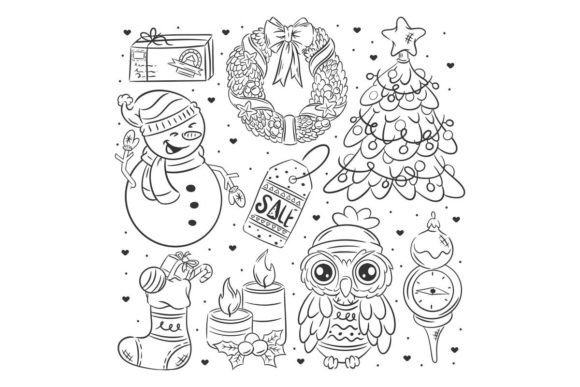
Upon loading the digital embroidery file into my editing software, the first thing that strikes me about the Christmas Background Collection Design is its versatility. Unlike some holiday motifs that rely heavily on dense, blocky fills which can stiffen a garment, these illustrations appear to balance open space with decorative detail. The mood is undeniably nostalgic yet clean, avoiding the cluttered look that often plagues seasonal designs.
The layout suggests a thoughtful approach to stitch density. For an embroidery project meant to serve as a background or a subtle accent, the design avoids overwhelming the base material. Whether you are aiming for a whimsical vibe for a nursery or a sophisticated touch for boutique branding, the visual personality here leans towards adaptable elegance. It feels less like a novelty item and more like a legitimate design asset that can anchor a larger composition or stand alone as a minimalist statement.
Real-World Application: The Holiday Tote Scenario
To truly test the viability of this collection, I imagined a specific real-life scenario: preparing a run of custom embroidered tote bags for a local boutique's holiday launch. Tote bags are notorious for having a loose weave and requiring significant stability. If I were to apply the Christmas Background Collection Design to a canvas tote, the result would likely be impressive provided the correct stabilizer is used.
The design's flow works exceptionally well for items that need to look handmade but professional. Imagine a cream-colored canvas bag with the design stitched in deep forest green and cranberry red thread colors. The contrast would pop without looking garish. For an Etsy seller looking to expand their small shop product line beyond simple monograms, this type of illustration adds perceived value. It transforms a basic utility item into a personalized gift that customers feel good about purchasing. The clarity of the lines suggests that even from a distance, such as across a craft fair table, the imagery remains recognizable and inviting.
Apparel and Textile Considerations
Moving beyond totes, let us consider custom apparel. A sweatshirt is a prime candidate for this collection. The sweatshirt embroidery market is saturated during the holidays, so standing out requires designs that do not feel cheap. The Christmas Background Collection Design offers a level of detail that suggests quality. However, one must be cautious with fabric texture. On a heavy fleece, a fill stitch might sink in if the density is too low, while a satin stitch could pucker if the columns are too wide.
For baby embroidery, such as on a onesie or a receiving blanket, the softness of the final product is paramount. If the design includes large solid areas, I would recommend breaking them up with lighter stitching patterns or ensuring the underlay is sufficient to prevent the fabric from gathering. The illustrations in this collection seem suitable for nursery decor like pillow covers, where the fabric is stable, but extra care is needed when applying them to stretchy knits. Always test on scrap fabric first to see how the material reacts to the needle penetration.
Technical Challenges and Fabric Limitations
No design is universal, and the Christmas Background Collection Design is no exception. There are specific scenarios where caution is required. If you are working with thin fabric like silk or lightweight linen, the weight of the thread could cause distortion. Similarly, dark fabric presents a challenge; if the design relies on light threads, you may need a thick underlay or even a fabric patch to prevent the background color from showing through the stitches, ruining the crispness of the image.
Curved surfaces, such as caps or hats, demand special attention. Placing a complex background illustration on a structured cap can lead to registration issues if the design is too wide. The curvature of the brim can distort the perspective of the artwork. Furthermore, products that require frequent washing, like kitchen towels or aprons, need a design that can withstand agitation. Dense stitch areas might hold up well, but delicate running stitch details could loosen over time. It is crucial to inspect small details and corners; sharp points in a design can sometimes pull out if not properly tacked down.
Enhancing Brand Value and Customer Trust
From a business perspective, the choice of design directly impacts brand consistency and customer trust. Using a high-quality embroidery file like this collection signals to your buyers that you care about the finished product. A sloppy or poorly digitized design can make a handmade item look mass-produced in the worst way. Conversely, a clean, well-executed Christmas Background Collection Design enhances the handmade product aesthetic, justifying a higher price point.
For those creating printable mockups for online listings, the visual appeal of this design is a strong selling point. It photographs well, which is essential for buyer engagement on platforms like Etsy or Instagram. When a customer sees a clear, attractive image, they are more likely to envision the item in their own home or wardrobe. This emotional connection drives sales. Whether you are selling commercial embroidery services or physical goods, the professionalism of your stitch work reflects directly on your reputation.
Final Designer Notes and Best Practices
Before committing to a full production run with the Christmas Background Collection Design, adhere to these practical steps. First, always check the hoop size requirements. Ensure your machine can accommodate the dimensions without needing to re-hoop, which can lead to alignment errors. Second, review the stitch count and density settings in your software. You may need to adjust the pull compensation depending on whether you are using polyester or rayon thread.
Test the design in both black and white mockups to ensure the contrast holds up even without color reliance. Compare how it looks on light versus dark backgrounds to anticipate any visibility issues. Most importantly, confirm the licensing terms. While many files allow for personal use, selling finished items or distributing the digital embroidery file itself often requires a commercial license. Never assume; always read the documentation provided with the download.
In conclusion, the Christmas Background Collection Design represents a solid choice for designers looking to add festive flair to their repertoire. With its balanced composition and adaptable style, it fits well within the Illustrations category for holiday projects. By respecting the limitations of different fabrics and following proper stabilization techniques, you can turn this digital asset into a tangible success for your craft business. Whether it ends up on a tote bag design, a cozy winter scarf, or a decorative embroidered patch, this collection has the potential to deliver joy and quality in equal measure.