Christmas Happy Art: Festive Illustrations for Brands
As a graphic designer who spends most of the year refining brand identities and crafting marketing visuals for small business clients, I approach seasonal assets with a critical eye. When a client approaches me in late autumn needing a refresh for their holiday campaign, they aren't just looking for "cute"; they are looking for cohesion, emotional resonance, and commercial viability. Recently, I evaluated Christmas Happy Art as a potential core component for a boutique handmade soap company's winter collection. My goal was to determine if this graphic design asset could elevate their packaging and social media presence or if it would feel too generic for a premium brand.
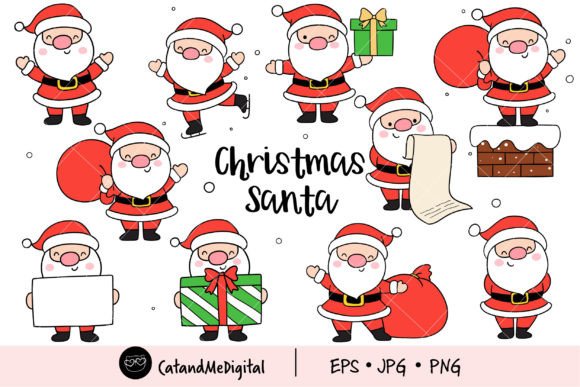
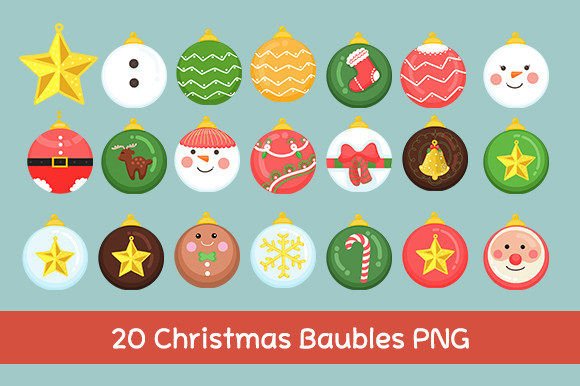
The first impression of Christmas Happy Art is one of unbridled warmth. Unlike some holiday graphics that lean heavily into cold, icy blues or stark minimalism, this collection radiates a cozy, inviting energy. The visual elements feel hand-crafted yet polished, striking a balance that is increasingly difficult to find in the saturated world of digital products. For a client whose brand voice is friendly, artisanal, and community-focused, these Illustrations immediately set the right mood. They suggest nostalgia without feeling dated, making them an excellent fit for projects targeting families, gift-givers, and lovers of traditional holiday aesthetics.
Integrating Festive Visuals into Real Client Workflows
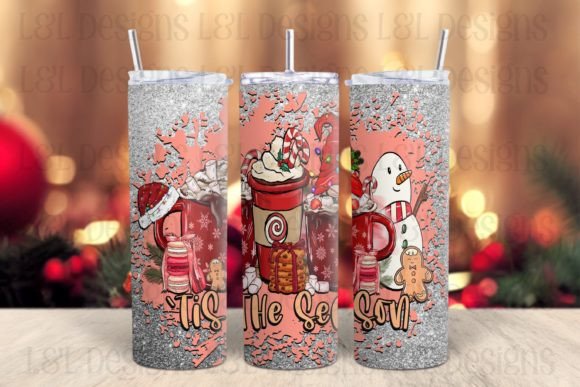
In a real-world design scenario, versatility is king. I tested Christmas Happy Art across various deliverables required for the soap brand's launch. For packaging design, the assets worked beautifully as decorative accents on kraft paper labels. The lines were clean enough to reproduce clearly in print, ensuring that the details didn't get lost when scaled down for small product stickers. When applied to t-shirt design concepts for the brand's merchandise line, the imagery held its own against fabric textures, proving its worth as a robust sublimation design option.
Beyond physical goods, the utility of this design bundle extends deeply into digital marketing. I mocked up several social media graphics for Instagram and Pinterest, using the art to frame promotional text. The compositions naturally guided the eye, supporting strong visual hierarchy without overpowering the call-to-action buttons. For web design, these elements served as perfect hero graphics for a seasonal landing page, instantly communicating the holiday theme before the user even read a headline. Bloggers and content creators will also find value here; the art integrates seamlessly into Canva templates, allowing non-designers to maintain a professional look while customizing their holiday newsletters or editorial content.
For those in the print-on-demand space or running an Etsy product shop, the potential is significant. Whether creating printable design files for wall art or designing sticker design packs for planners, Christmas Happy Art offers the kind of charm that drives impulse buys. The style aligns perfectly with the current trend of "maximalist cozy" that dominates the handmade market during Q4.
Strategic Placement and Design Limitations
While Christmas Happy Art is a powerful tool, professional judgment dictates knowing where not to use it. These assets shine brightest in large layout areas, themed collections, and campaign visuals where the goal is to evoke emotion. They are ideal for product mockups that need a narrative touch. However, caution is required when dealing with complex backgrounds. Because the style is rich and detailed, placing it over busy patterns can reduce legibility and create visual noise. In such cases, utilizing negative space or solid color blocks is essential to let the illustration breathe.
Furthermore, this style may not be suitable for minimalist branding or highly corporate professional materials that require a sterile, ultra-modern aesthetic. If a client's brand identity relies on stark geometry and monochrome palettes, introducing these whimsical elements could disrupt brand consistency. Similarly, in crowded layouts where information density is high, such as technical flyers or dense editorial spreads, these graphics should be used sparingly as supporting brand elements rather than focal points to avoid compromising readability.
Technical Evaluation and Commercial Viability
Before recommending any creative design asset to a client, I run a rigorous technical checklist. With Christmas Happy Art, I started by testing the files in black and white to ensure the contrast held up for single-color printing methods often used in budget-friendly packaging. I checked the PNG design files for transparency quality, ensuring there were no halos around the edges when placed on dark backgrounds—a common issue that can make a design look amateurish.
For vector-based workflows, inspecting the SVG design editability is crucial. I verified that the paths were clean and that colors could be easily adjusted to match the client's specific brand palette. It is also vital to compare how these graphics pair with typography. Christmas Happy Art pairs exceptionally well with script fonts and handwritten fonts to enhance the personal touch, but it also grounds nicely with bold display fonts for headlines. A careful balance must be struck with serif fonts to maintain elegance, while sans serif fonts can provide a modern counterpoint if chosen carefully.
Most importantly, confirming the commercial license is non-negotiable. For agency work and client projects, you must ensure the license covers unlimited end-products and allows for use in logos or trademarks if applicable. Assuming the licensing terms of Christmas Happy Art meet these professional standards, it stands as a reliable resource for small business branding.
Ultimately, the decision to use a specific design asset comes down to whether it solves a problem and enhances the final result. Christmas Happy Art succeeds in bringing a cohesive, joyful spirit to holiday projects. It transforms standard marketing materials into memorable experiences, helping brands connect emotionally with their audience. For designers looking to streamline their workflow without sacrificing quality, and for business owners wanting to stand out in the festive rush, this collection offers a compelling blend of creativity and practicality. By understanding its strengths in modern design contexts and respecting its limitations, we can leverage these Illustrations to create work that feels both professional and deeply human.