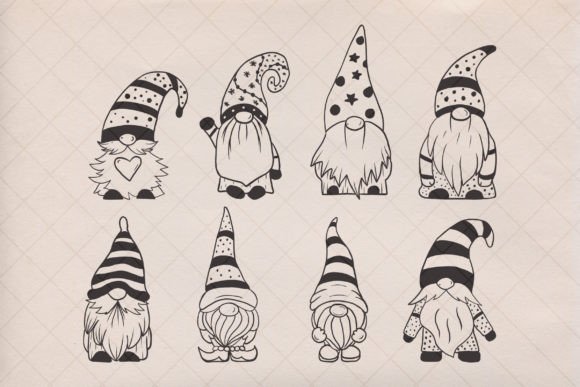
Christmas Start: A Designer's Take on Holiday Embroidery
As we approach the busiest season for custom orders, every stitch counts. When I first opened the Christmas Start file on my screen, I wasn't just looking at a digital image; I was visualizing the final finished product in a customer's hands. In the world of machine embroidery design, first impressions are often dictated by line weight, spacing, and overall mood. This particular piece, categorized under Illustrations, immediately struck me as having a whimsical yet grounded personality. It feels less like a generic clip-art insertion and more like a deliberate artistic choice suitable for high-end boutique items.
Visual Personality and First Impressions
The layout of Christmas Start suggests a narrative quality. Whether it features festive characters, botanical elements, or seasonal typography, the composition feels balanced for medium-to-large hoop applications. The visual weight is distributed in a way that prevents the design from looking top-heavy or disjointed once stitched out. For a designer, this is crucial. We know that what looks perfect on a monitor can sometimes collapse into a muddy mess on fabric if the details are too tight.
This design exudes a cozy, inviting mood. It's the kind of artwork that says "handmade with care" rather than "mass-produced." That distinction is vital for Etsy sellers and small shop product creators who rely on perceived value to justify their pricing. The illustration style likely incorporates a mix of satin stitch borders for definition and fill stitch areas for body, creating a texture that invites touch. If you are building a holiday collection, this asset fits naturally alongside rustic linens, soft knits, and structured canvas goods.
Real-World Application: The Tote Bag Scenario
Let's walk through a realistic scenario. Imagine a client requests a limited run of holiday gift bags for a local bakery. They want something durable but festive. I would immediately consider Christmas Start for a heavy-weight canvas tote bag design. Why? Because the illustrative nature of the graphic holds up well against the weave of canvas. Unlike overly intricate lace patterns that might get lost in coarse fabric, this design likely has enough boldness to pop.
In this application, the embroidery project would require a cut-away stabilizer to prevent distortion over time, especially since tote bags carry weight. The placement would be central, perhaps slightly lower than standard chest height to accommodate the bag's handles. When the customer sees this personalized gift, the clarity of the stitches reinforces the quality of their own brand. It transforms a simple bag into a piece of design assets that they can proudly display.
Another strong contender for this file is sweatshirt embroidery. The soft, rounded lines often found in holiday illustrations complement the fuzzy texture of fleece or French terry. However, one must be cautious with stitch density. If the design is too dense, it can make the fabric stiff and uncomfortable against the skin. A test run on scrap material identical to your final garment is non-negotiable here. You want the Christmas Start motif to feel like part of the garment, not a patch glued on top.
Navigating Fabric Challenges and Technical Details
While Christmas Start is versatile, it demands respect regarding fabric selection. Not all materials play nice with illustrative designs. If you are working with stretchy knits for baby embroidery items like onesies or bibs, the risk of puckering is real. The varying angles in an illustration can pull the fabric in different directions. In these cases, using a water-soluble topper is essential to keep the running stitch details from sinking into the pile of the fabric.
Curved surfaces present another hurdle. If you plan to use this on a cap or a structured hat, analyze the width of the design relative to the crown. Wide illustrations often distort when forced onto a curved plane. It might be better to reserve Christmas Start for flat applications like pillow covers, tea towels, or wall hangings where the geometry remains true. Dark fabrics also require attention; ensure your thread colors have sufficient contrast. A dark green thread on a navy background might look sophisticated on screen but disappear entirely in low light.
Furthermore, pay close attention to the smallest details within the illustration. Tiny text or minute decorative accents can become problematic if the hoop size is reduced too much. Always check the minimum recommended size provided with the digital embroidery file. Shrinking an illustrative design beyond its limit turns crisp lines into a tangled blob, ruining the professional look you are aiming for.
Commercial Viability and Brand Consistency
For craft business owners, consistency is key to building trust. Using a cohesive set of designs helps customers recognize your brand instantly. Christmas Start serves as an excellent anchor for a holiday lineup. Whether you are creating custom apparel, embroidered patches, or home decor, maintaining a consistent aesthetic elevates your entire catalog. Buyers engage more deeply with products that feel curated rather than random.
When selling commercial embroidery services, the perceived value of the item often hinges on the complexity and cleanliness of the stitch work. An illustrative design like this demonstrates skill. It shows that you can handle varied stitch types and manage complex color transitions. This builds customer trust. A client seeing a flawless execution of Christmas Start on a sample is more likely to commission a larger order for their corporate gifts or event merchandise.
However, before listing any printable mockup or finished item for sale, you must verify the licensing terms. Some designers allow unlimited physical sales but restrict digital redistribution. Ensure you are compliant to avoid legal issues down the road. If the license permits, this design could also be a fantastic addition to DIY kits, allowing hobbyists to experience the joy of stitching a professional-grade pattern.
Final Verdict for the Practical Maker
In summary, Christmas Start is a robust choice for the upcoming season, provided it is treated with technical foresight. It shines brightest on stable, medium-to-heavy weight fabrics where its illustrative charm can be fully appreciated. It is ideal for holiday embroidery projects that need to convey warmth and tradition without feeling dated.
My advice is to start small. Stitch a sample on a scrap piece of your intended fabric. Check the back of the hoop for excessive thread buildup, which can cause irritation in wearable items. Evaluate the color transitions under natural light, not just studio lighting. If the applique design elements (if present) lie flat and the satin columns are smooth, you are ready for production.
Ultimately, the success of this embroidery file depends on your execution. It offers a solid foundation for creating memorable personalized gifts and profitable small business merchandise. By respecting the technical requirements of the design and matching it with the right materials, you can turn a digital asset into a tangible object that brings genuine holiday cheer. Whether for a single family gift or a hundred-unit retail run, Christmas Start has the potential to be a standout performer in your portfolio.