Christmas Ornament 1: A Designer's Review for Holiday Stitching
As we approach the peak season for holiday orders, every stitch counts. When I first pulled up Christmas Ornament 1 on my screen, I wasn't just looking at a pretty picture; I was evaluating a potential asset for my upcoming client batch. In the world of commercial embroidery, a design needs to do more than look good in a thumbnail. It has to survive the hoop, translate well onto various fabric textures, and deliver a finished product that makes a customer smile. This review breaks down how this specific Illustrations piece holds up under the needle for real-world projects.
First Impressions and Visual Personality
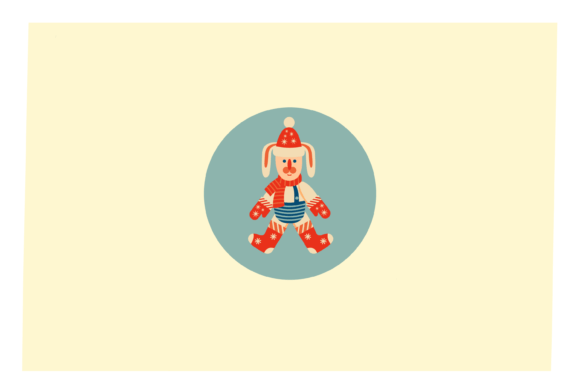
The initial mood of Christmas Ornament 1 is undeniably festive yet refined. Unlike some overly cartoonish holiday graphics that can cheapen a boutique brand, this design carries a classic weight. The layout suggests a balanced composition, likely relying on a mix of satin stitch for crisp outlines and fill stitch areas to create depth and dimension. For an Etsy seller or small shop owner, visual personality is everything. This design feels like it belongs on a high-end tote bag design or a heirloom-quality pillow cover rather than a disposable party favor.
When assessing the detail level, I look for potential trouble spots immediately. Does the design rely on tiny, isolated islands of stitching that might pull away? Are there long runs without proper underlay? Christmas Ornament 1 appears to have a thoughtful flow. The transition between colors seems logical, which minimizes thread trims and jump stitches. For a craft business owner running multiple machines, efficiency in the embroidery file translates directly to profit margins.
Real-World Application Scenarios
Let's move from the screen to the studio. Imagine you are preparing a custom order for a local boutique needing fifty sweatshirt embroidery pieces for their holiday window display. Christmas Ornament 1 shines here. The scale of the design is versatile enough to sit prominently on the chest of a heavy cotton blend without overwhelming the garment. The density looks sufficient to pop against the fleece texture, ensuring the finished product feels substantial and valuable.
Another strong use case is in baby embroidery. Parents are always searching for unique personalized gifts during the holidays. If this design is scaled down appropriately, it could adorn a onesie or a receiving blanket beautifully. However, this requires caution. On stretchy knits, even a well-digitized machine embroidery design can cause puckering if the stabilizer isn't matched correctly to the stitch density. I would recommend testing this on a scrap piece of the exact fabric intended for the final item before committing to the full run.
For those selling digital embroidery files or design assets, the versatility of Christmas Ornament 1 adds value to your catalog. It works well as a standalone motif on a kitchen towel or as part of a larger collage on an apron. The clean lines suggest it would also render well in a printable mockup, helping customers visualize the final result before they buy.
Technical Considerations and Fabric Challenges
No design is universal, and honest evaluation means identifying where Christmas Ornament 1 might struggle. If you are working with dark fabrics, pay close attention to the thread color contrast. A design that relies on subtle shading might get lost on a black wool coat unless you adjust the thread palette or ensure the underlay provides enough lift. Similarly, if the design includes fine details or tiny lettering elements often found in Illustrations, these can become muddy on textured fabrics like terry cloth or coarse linen.
Curved surfaces present another challenge. If you plan to use this for custom apparel like caps or visors, the geometry of the design matters. A wide, horizontal spread might distort when stitched over the curve of a cap front. Christmas Ornament 1 seems to have a contained shape, which is generally safer for hats, but you must confirm the hoop size compatibility. Trying to force a large design into a small hoop can lead to registration errors and frustrated clients.
Furthermore, consider the end-user experience. Will this embroidered patch or direct-stitch item withstand frequent washing? Dense stitch areas can sometimes make fabric stiff or prone to cracking over time. If this is intended for a child's item or a kitchen textile that sees heavy use, verify that the stitch count isn't excessively high for the base material. A lighter touch with appropriate stabilizer often yields a softer hand feel, which customers appreciate.
Enhancing Brand Value and Customer Trust
In the competitive landscape of handmade goods, the quality of your embroidery project directly impacts your brand reputation. Using a polished design like Christmas Ornament 1 signals professionalism. When a customer receives a holiday gift with crisp, clean stitching and no loose threads, their trust in your small shop product grows. It encourages repeat business and positive reviews.
Consistency is key for boutique branding. If you are building a collection of holiday items, ensure that Christmas Ornament 1 complements your other design assets. Does it share a similar line weight or stylistic approach? Cohesive collections sell better than mismatched individual items. This design's classic aesthetic makes it a safe anchor for a broader holiday lineup, appealing to a wide demographic from traditionalists to modern minimalists.
Practical Notes for the Professional Stitcher
Before you load this into your machine for a production run, here is a checklist to ensure success:
- Test on Scrap Fabric: Always stitch out a sample on the actual material you plan to use. What looks good on cotton might behave differently on polyester blends.
- Check Thread Contrast: Verify that your chosen thread colors provide enough definition, especially if selling on dark garments.
- Review Stitch Density: If the design feels too stiff after stitching, consider editing the fill density in your digitizing software if you have the rights, or switch to a lighter weight stabilizer.
- Confirm Hoop Size: Ensure your equipment can accommodate the design dimensions without re-hooping, which risks misalignment.
- Inspect Small Details: Zoom in on the preview to check for tiny running stitches that might not hold well on loose-weave fabrics.
- Licensing Verification: Crucially, before selling any finished product or using this for commercial embroidery, confirm the license terms provided with the file. Some designers allow unlimited physical sales but restrict digital redistribution.
Ultimately, Christmas Ornament 1 represents a solid choice for the seasonal maker. It balances artistic charm with the practical requirements of machine embroidery. Whether you are creating a one-of-a-kind personalized gift or stocking inventory for a busy December, this design offers the reliability and aesthetic appeal needed to succeed. By respecting the technical nuances of fabric and thread, you can transform this digital file into a tangible product that brings joy and quality to your customers.