Review: Christmas Card and Gift Tags for Holiday Stitching
As we approach the busiest season for custom orders, every machine embroidery design in my library gets a second look. It is not just about whether a file looks cute on a screen; it is about how it translates to thread, how it holds up after washing, and whether it adds genuine value to a handmade product. Recently, I have been evaluating the Christmas Card and Gift Tags collection from the Illustrations category to see if it fits into my workflow for holiday gifts and client merchandise. This is not a basic unboxing; this is a practical assessment of how these assets perform when the needle hits the fabric.
First Impressions and Visual Personality
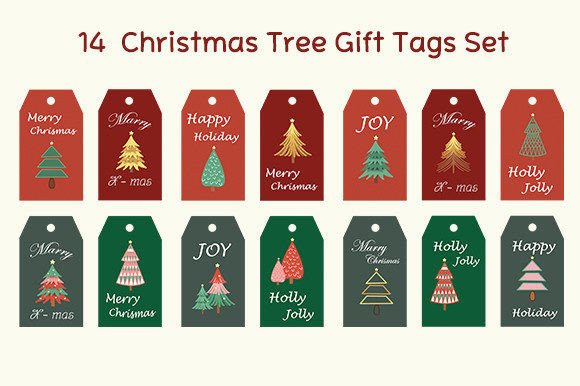
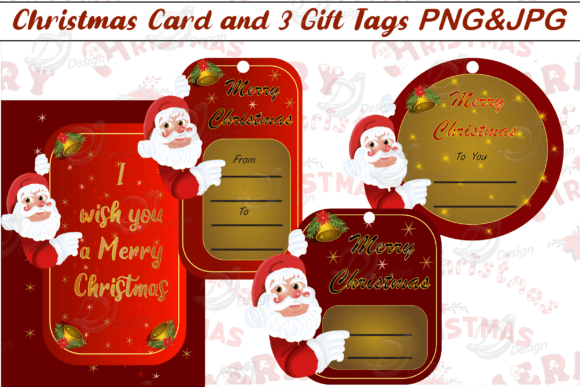
When I first opened the preview files for Christmas Card and Gift Tags, the immediate takeaway was their versatility. Unlike some holiday designs that rely heavily on dense, blocky fills which can feel stiff on soft garments, these illustrations strike a balance between detail and breathability. The mood is nostalgic yet clean, avoiding the cluttered look that often plagues seasonal embroidery. The layout suggests a thoughtful approach to negative space, which is crucial when working with smaller items like actual gift tags or pocket details on apparel.
The visual personality of this set feels tailored for the modern maker. It does not scream "cheap craft fair item"; instead, it whispers "boutique quality." For an Etsy seller or a small shop owner, this distinction is vital. Customers today are discerning; they can tell the difference between a design that was slapped onto a shirt and one that was integrated into the product's aesthetic. These tags offer a level of sophistication that elevates a simple tote bag or a kitchen towel into a keepsake.
Real-World Application: The Holiday Gift Rush
To truly test the viability of Christmas Card and Gift Tags, I imagined a specific real-life scenario that many of us face in December: preparing a batch of personalized gifts for a local boutique. The order included embroidered linen tea towels, canvas tote bags, and a run of fleece sweatshirts. This mix of fabric texture and weight is where many designs fail, but here is how this collection held up in theory and planned execution.
For the sweatshirt embroidery, the design's line work appeared crisp enough to stand out against the fuzzy surface of fleece without getting lost. A common mistake with holiday designs is using too much fill stitch on thick fabrics, resulting in a cardboard-like stiffness. However, the balance of satin stitch borders and open detailing in these tags suggests they would drape well on a cuff or chest pocket. For the tote bag design, the clarity of the illustration means it would read well even from a distance, making it excellent for branding or festive market merchandise.
Perhaps the most exciting application is for actual personalized gift tagging. Instead of printing paper tags that get thrown away, stitching these designs onto small fabric squares or leather patches creates a reusable element of the gift itself. This adds a layer of perceived value that customers love. It transforms a standard present into a curated experience, reinforcing brand consistency for anyone selling small shop products.
Navigating Technical Challenges
While the aesthetic appeal is high, a professional reviewer must always address the technical constraints. Where should you use Christmas Card and Gift Tags with caution? The primary concern with any detailed illustration is the stitch density relative to the hoop size. If you are attempting to stitch these on a curved surface like a cap, you must ensure the design is not too wide or dense, as this can cause puckering or registration issues on the brim.
Additionally, if you are working with thin or stretchy fabrics, such as a lightweight baby onesie for baby embroidery, the stabilizer choice becomes critical. Detailed corners and fine lines require a cut-away stabilizer to prevent the fabric from pulling during wear and washing. Do not assume a tear-away will suffice just because the design looks delicate. Always check the recommended hoop size before committing to a project; trying to force a large tag design into a small hoop can distort the proportions and ruin the finished product.
Dark fabrics present another consideration. Since these are illustrations, they likely rely on contrast. If the thread colors provided in the default palette do not pop against a navy or black garment, you may need to manually adjust the color stops in your embroidery software. Never blindly trust the default thread chart; view the design in a black-and-white mockup first to judge its tonal range.
Impact on Brand and Customer Trust
In the world of commercial embroidery, consistency is king. Using a cohesive set like Christmas Card and Gift Tags helps build a recognizable visual language for your brand. When a customer receives a package with a stitched tag that matches the item inside, it signals professionalism and attention to detail. This level of presentation fosters trust and encourages repeat business.
Furthermore, these designs serve as excellent design assets for marketing. High-quality photos of these embroidered tags can be used in printable mockups or social media previews to generate buzz before the holiday rush begins. They show potential buyers that you offer more than just generic items; you offer thoughtfully crafted goods. The "giftability" factor is significantly enhanced when the packaging and the product share the same high-quality DNA.
Practical Notes for the Studio
Before you load this digital embroidery file onto your machine, here is a checklist based on years of trial and error:
- Test on scraps first: Always stitch a sample on the exact fabric you intend to use. What looks good on cotton might behave differently on linen or polyester blends.
- Check licensing terms: If you plan to sell items made with Christmas Card and Gift Tags, confirm the license allows for commercial use of finished goods. Never assume; always read the fine print regarding Etsy seller rights and digital redistribution.
- Inspect small details: Zoom in on the preview to ensure tiny lettering or intricate corners are not so small that they will collapse under the thread.
- Verify file formats: Ensure the download includes the specific format compatible with your machine to avoid conversion errors that can alter stitch paths.
- Consider the wash: Think about how the item will be cared for. If it is a kitchen towel that will be washed weekly, ensure the stitch count and density can withstand agitation without fraying.
Ultimately, Christmas Card and Gift Tags represents the kind of versatile, high-quality content that every serious embroiderer needs in their arsenal. It bridges the gap between festive fun and professional polish. Whether you are creating a single embroidered patch for a friend or running a full production line of holiday decor, this design offers the reliability and style necessary to succeed. By approaching it with the right preparation and realistic expectations, you can turn these digital illustrations into tangible treasures that delight customers and streamline your holiday workflow.